When to Schedule Roof Replacement in Succasunna, NJ for the Best Results
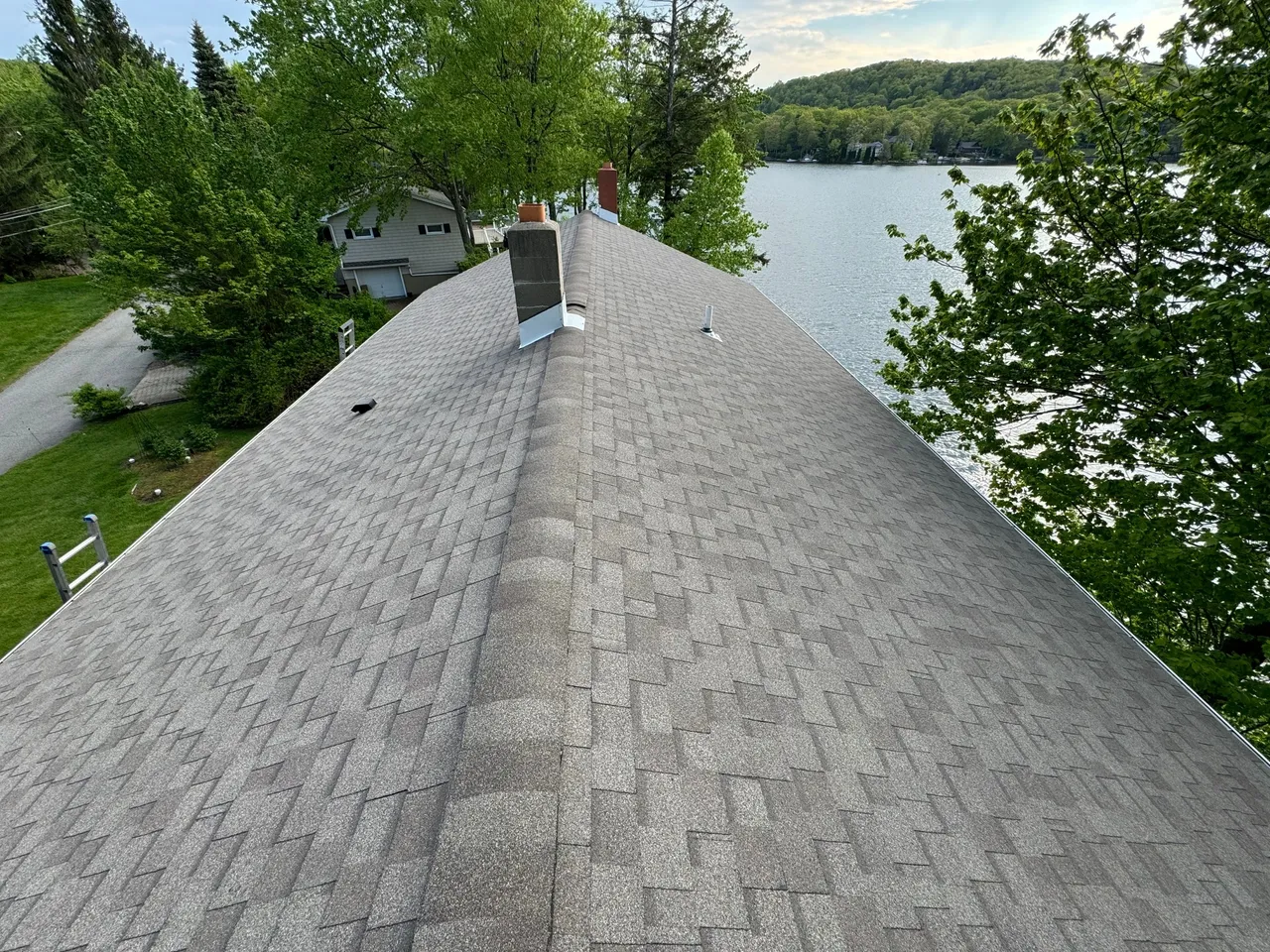
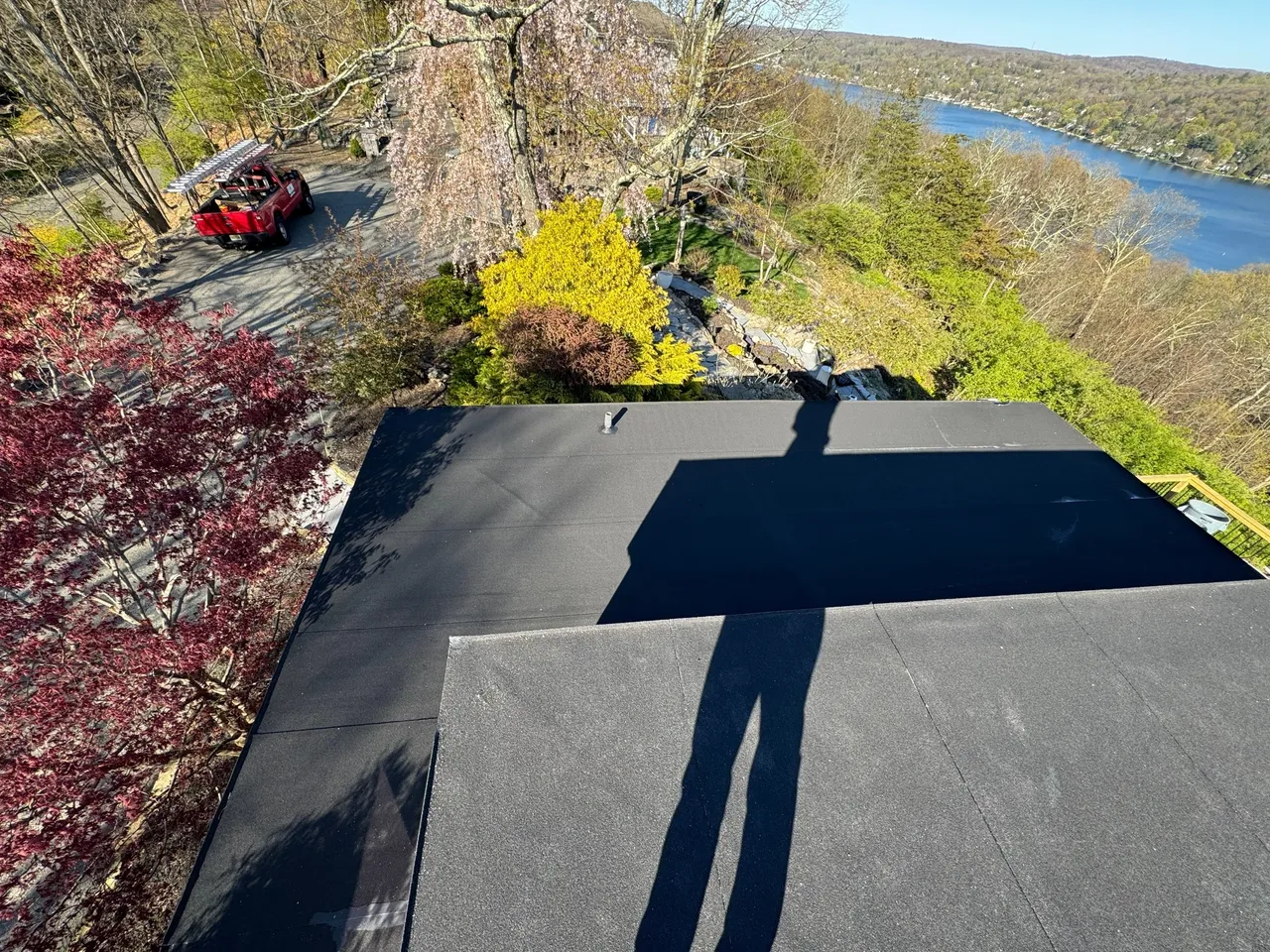

Homeowners in Succasunna usually start thinking about roof replacement when a leak shows up in the attic, shingles begin collecting in the gutters, or a home inspection puts the issue in plain language. By that point, timing matters almost as much as the condition of the roof itself. A well-timed project tends to move faster, cost less in hidden damage, and produce a cleaner installation. A poorly timed one can turn into a scramble, especially in northern New Jersey where weather has a say in every exterior job.
The best time to replace a roof is not the same for every house. Age, ventilation, roof pitch, shingle type, tree cover, contractor availability, and budget all affect the decision. In Succasunna, NJ, the local climate adds another layer. Winters can bring freezing temperatures and snow loads. Spring often comes with rain and scheduling backlogs. Summer can be productive, but heat changes how crews work and how roofing materials behave. Fall, for many homes, is the sweet spot, though even that season has trade-offs.
If you are trying to decide when to move forward with a Roof Replacement Succasunna, NJ project, the practical answer is this: replace the roof before failure forces your hand, and aim for a season that gives materials and installers the best chance to do precise work without weather pressure. That usually means planning ahead rather than waiting for visible interior damage.
Why timing changes the outcome
A roof is not just a layer of shingles. It is a system made up of decking, underlayment, flashing, ventilation components, pipe boots, ice and water protection, and the fastening pattern that holds everything together. Each part has to be installed under conditions that let the crew work carefully and let materials seal and settle as intended.
Asphalt shingles, the most common roofing material in Morris County neighborhoods, install best within a moderate temperature range. Too cold, and shingles can become more brittle. Their seal strips may take longer to bond. Too hot, and they soften, scuff more easily, and demand a slower pace to avoid damaging the finished surface. Rain complicates tear-off and underlayment work. Wind can delay installation of large sections, especially on steeper roofs or homes with open exposures.
Timing also affects the condition of what lies beneath the shingles. A roof that is replaced proactively often has limited deck repair. A roof that is replaced after months of leaks can hide rotted sheathing, mold concerns, soaked insulation, and stained framing. Once a crew opens the system, those issues have to be addressed. That is where budgets drift upward.
I have seen two similar homes on the same street produce very different replacement experiences. One owner booked the project in early fall after noticing recurring granule loss and minor flashing wear. The deck was largely sound, the weather held, and the installation wrapped cleanly in two days. A few doors down, another owner waited through winter after a small leak started around a plumbing vent. By spring, repeated freeze-thaw cycles and attic moisture had enlarged the problem. That second job needed decking replacement in several sections, and the timeline stretched because of intermittent rain.
How Succasunna weather shapes roofing schedules
Succasunna sits in a part of New Jersey where all four seasons show up clearly. That is not just small talk. It affects labor scheduling, material storage, and the pace of exterior construction.
Winter can be workable on emergency replacements, but it is rarely ideal for homeowners who have the luxury to choose. Cold temperatures make tear-off less pleasant for crews and can affect seal-down times for shingles. Snow cover, icy roof surfaces, and shorter daylight hours slow everything down. Skilled roofers can still replace roofs in winter, especially during milder stretches, but they need dry conditions and a safe working surface. Winter jobs are often driven by necessity, not preference.
Spring brings opportunity, but also unpredictability. By April and May, many homeowners notice winter damage and start calling contractors. Schedules fill quickly. Roofing companies often balance repairs, storm calls, and full replacements all at once. Spring rain can interrupt progress, and homes surrounded by mature trees may also shed debris that complicates cleanup and inspection. Still, late spring can be a very good time to install a roof if you book early and catch a dry weather window.
Summer is productive, especially in early and mid-summer before late-season storm patterns become more frequent. Long daylight hours help crews finish efficiently. Materials are typically easy to source. The catch is heat. On dark roofs, surface temperatures can climb much higher than air temperature. That affects worker stamina and can make shingles more vulnerable to scuffing during installation. A good contractor adjusts start times, protects finished areas, and avoids rushing.
Fall is often the strongest season for roof replacement in Succasunna. Temperatures tend to be moderate. Humidity drops. Crews can move steadily, and asphalt shingles generally have favorable conditions for installation and sealing. Fall scheduling also prepares the home for winter snow, ice dams, and freeze-thaw stress. The only downside is that many other homeowners have the same idea, so the best contractors are often booked weeks or months in advance.
The best season for most homes
If a homeowner asks for the single best time to schedule roof replacement, I usually point to early fall through mid-fall, with late spring as a close second. That answer holds up well for typical asphalt shingle homes in Succasunna, NJ.
Fall replacement gives the roof time to settle in before winter weather tests every weak point. Flashing details around chimneys and roof-to-wall transitions can be completed without crews racing around summer heat or dodging spring rain bands. Attic ventilation can also be evaluated at the same time, which matters more than many people realize. A new roof installed over a poorly ventilated attic can still age faster than it should, especially if excess heat and moisture remain trapped below.
That said, the perfect season does not matter if the roof is already failing. If active leaks are present, if decking feels soft underfoot, or if shingles are lifting and breaking, delaying for the ideal calendar window may cost more than moving ahead in less-than-perfect weather. Good roofers know how to manage timing, stage materials, and protect the home in a range of conditions. The key is choosing a contractor who plans for the season rather than pretending every season works the same way.
Signs you should not wait for the perfect month
Many homeowners try to squeeze one more winter or one more storm season out of an aging roof. Sometimes that works. Sometimes it becomes an expensive gamble. A roof does not have to be visibly collapsing to justify replacement. By the time moisture stains appear indoors, the roofing system may have been underperforming for quite a while.
These signs usually mean the decision should move from “someday soon” to “schedule it now”:
- recurring leaks, even small ones, especially around flashing points
- widespread shingle curling, cracking, or bald spots from granule loss
- soft or stained roof decking discovered in the attic
- roof age that is near or beyond the expected life of the material
- repeated patch repairs in multiple areas over the last few years
One isolated repair after a wind event is Royalty Exteriors Roof Replacement Succasunna, NJ not unusual. What raises concern is pattern and frequency. When the roof starts needing attention in several zones, repairs can become a short-term patch on a long-term replacement problem.
Age matters, but so does roof history
People often ask how many years a roof should last in New Jersey. The honest answer depends on material quality, installation quality, attic ventilation, sun exposure, and storm history. A roof installed exactly to manufacturer specifications with balanced ventilation often outperforms a roof made from the same shingles but installed over poor decking or without proper intake and exhaust airflow.
In neighborhoods around Succasunna, I have seen architectural shingle roofs hold up very well into the 20-year range and beyond, and I have also seen roofs struggle much earlier because of ventilation issues, ice dam damage, or chronic tree shade that kept sections damp. Heavy moss growth on the north side of a roof, for example, is not just cosmetic. It can signal moisture retention that accelerates wear.
Roof history also matters. If the home has already had multiple repairs, a previous overlay, or flashing modifications around additions and skylights, replacement timing should be more conservative. Roofs with complicated valleys, dormers, and penetrations have more failure points. Those homes benefit from replacement before visible breakdown spreads.
Why waiting can cost more than replacing early
A roof replacement is a major expense, so hesitation is understandable. But the hidden costs of delay can add up quickly. Water follows gravity until it does not. It can travel along framing, soak insulation, stain ceilings several feet away from the original opening, and weaken plywood over time. By the time the symptom appears inside, the path above may be larger than expected.
A delayed project also limits scheduling options. Homeowners who plan six months ahead can compare proposals, ask better questions, and pick a date that works. Homeowners dealing with an active leak during a storm season often need the first available opening. That urgency can lead to higher stress and less ideal choices.
There is also an efficiency factor. Roofers replacing a roof before major substrate damage can focus on installation quality. Roofers replacing a roof after prolonged deterioration must divide time between demolition surprises and structural correction. Necessary repairs are not a bad thing, but they do change the scope and sometimes the finish date.
The role of contractor availability
The best month on paper means little if the right crew is unavailable. Roofing quality depends heavily on workmanship, jobsite management, and attention to detail where the roof transitions around chimneys, valleys, vents, skylights, and sidewalls. In busy seasons, especially fall, reputable contractors in Morris County often have full schedules.
That is one reason the smartest roof replacements are often scheduled earlier than expected. A homeowner who calls in late winter for a spring inspection may lock in a late spring or early summer slot. A homeowner who waits until the first cold snap in October may be booking for several weeks out, depending on demand.
This is especially relevant for Roof Replacement Succasunna, NJ projects in neighborhoods with homeowner expectations around appearance, cleanup, and driveway access. Strong crews that communicate well and protect landscaping are in demand. If you care about craftsmanship, give yourself time to hire deliberately.
What to inspect before choosing a date
Before locking in a schedule, it helps to understand the roof’s actual condition, not just its age. A proper assessment should look at more than the shingle surface. It should include attic signs of moisture, decking integrity, flashing details, gutter performance, and ventilation balance.
Here are the areas worth discussing with your roofer during evaluation:
- shingle wear pattern across sunny and shaded slopes
- condition of flashing around chimneys, walls, skylights, and vents
- signs of attic condensation or poor airflow
- evidence of deck damage or sagging
- gutter drainage and ice dam history
That conversation often changes timing. A roof that looks rough from the street may still have a few safe months left if the substrate is dry and flashings are sound. Another roof may look acceptable at first glance but show moldy sheathing and moisture problems in the attic, making quicker replacement the wiser choice.
Spring versus fall, a real-world comparison
Homeowners frequently narrow the decision to spring or fall. Both can work well, but they come with different practical realities.
A spring replacement can be attractive because winter damage is fresh and top of mind. You can fix the roof before summer storms and avoid another season of worrying about leaks. If you schedule early enough, you may also beat the late-summer and fall rush. The downside is weather volatility. A wet spring can create stop-and-start jobs, and material delivery schedules may be busier as the market wakes up.
A fall replacement, by contrast, usually offers steadier temperatures and better conditions for clean installation days. It also puts the home in strong shape before winter. That is a real advantage in a place like Succasunna, where snow accumulation and ice at eaves can expose weak points fast. The challenge is demand. Fall calendars fill quickly, and homeowners who wait until September to start the process may feel rushed.
If your roof is marginal but not failing, spring and fall are both strong windows. If your roof is actively leaking in late summer, waiting for a classic fall slot may not be worth the risk. The best result comes from aligning roof condition with weather opportunity, not from obeying a generic seasonal rule.
Homes with trees, shade, and complex rooflines need earlier planning
Succasunna has plenty of properties with mature trees, varied elevations, and homes that are no longer simple rectangles. Those details affect scheduling more than people expect.
Tree cover can shorten the ideal replacement window because leaves, seeds, twigs, and shade-driven moisture all affect the roof surface. A heavily shaded roof may show wear unevenly, with one slope aging differently from another. Moss and algae are more common in low-sun areas, and cleanup takes more care. If overhanging limbs are part of the issue, trimming should happen before replacement, not after.
Complex rooflines also raise the stakes on timing. Valleys, dormers, intersecting ridges, skylights, and chimney flashing all require precision. Those are not details you want installed during a weather squeeze. A moderate, dry stretch gives the crew time to sequence the work correctly. That is another reason fall is often preferred for detailed projects, though well-planned late spring work can be just as effective.
Budget timing and material choices
For some homeowners, “when should I replace the roof?” really means “when can I afford to replace the roof?” That is fair. Roof replacement is a capital expense, and timing may need to line up with savings, financing, or other home projects.
Still, budget timing should include the cost of waiting. If delaying the roof means accepting another season of leaks, damaged insulation, and possible deck repair, the math can turn against you. It is often cheaper to replace a roof at the front edge of failure than at the back edge of collapse.
Material choice can influence timing as well. Most homes in the area use asphalt shingles, which remain the most practical option for many budgets. Specialty materials or upgraded ventilation systems may require more lead time for ordering and planning. If you are considering added insulation work, skylight replacement, or gutter replacement at the same time, the job benefits from a longer planning runway.
What a well-timed project looks like
The smoothest roof replacements tend to follow a similar pattern. The homeowner notices early warning signs, schedules an inspection before active leakage becomes severe, reviews a detailed proposal, and books the work for a season that supports clean installation. The crew arrives with materials staged, protective tarps in place, and a weather window that allows steady progress. Deck repairs, if needed, are manageable rather than extensive. Cleanup is thorough. The new roof heads into the next demanding season ready to perform.
That may sound straightforward, but it depends on not waiting too long. Once a roof begins to fail in several areas at once, control over timing starts to disappear. Weather becomes the boss. Emergency service becomes more likely. Costs become less predictable.
The practical answer for Succasunna homeowners
If your roof is aging but still stable, start planning replacement in late winter or early spring for a spring or early summer installation, or start in midsummer for an early fall installation. Those timelines give you room to choose a reputable contractor and avoid panic decisions. For many homes, early fall offers the best combination of workable temperatures and pre-winter protection.
If your roof is already leaking, sagging, or shedding shingles in multiple sections, schedule the replacement as soon as conditions safely allow. Waiting for the “perfect” season is usually a mistake when the structure is already vulnerable.
For most Roof Replacement Succasunna, NJ projects, the best results come from a simple principle: replace on your schedule, not the roof’s emergency schedule. A proactive job Roof Replacement Succasunna, NJ is almost always the cleaner job, the calmer job, and often the less expensive one over the full life of the home.
Royalty Exteriors
151 NJ-10 Suite 103A, Succasunna, NJ 07876, United States
+1 973-333-7234
FAQ About Roof Replacement Succasunna, NJ
What are signs a roof needs replacing?
Widespread shingle deterioration, repeated leaks, or damaged decking can point to a larger problem. A roofer can inspect the roof covering, flashing, and deck to determine whether the damage is localized or whether replacement makes more sense.
How long does it take to reroof a 2000 square foot house?
Royalty Exteriors estimates one to three days for many single-family roof replacements. A house’s floor area does not tell you the actual roof area. Pitch, roof features, weather, and any decking repairs can change the schedule.
How long should a roof last in NJ?
There is no single lifespan for every roof. Material, installation quality, attic ventilation, maintenance, and exposure to storms all affect how long a roof remains serviceable. An inspection can help you assess its condition and plan for replacement.