How to Prepare Your Home Before Roof Repairs Begin
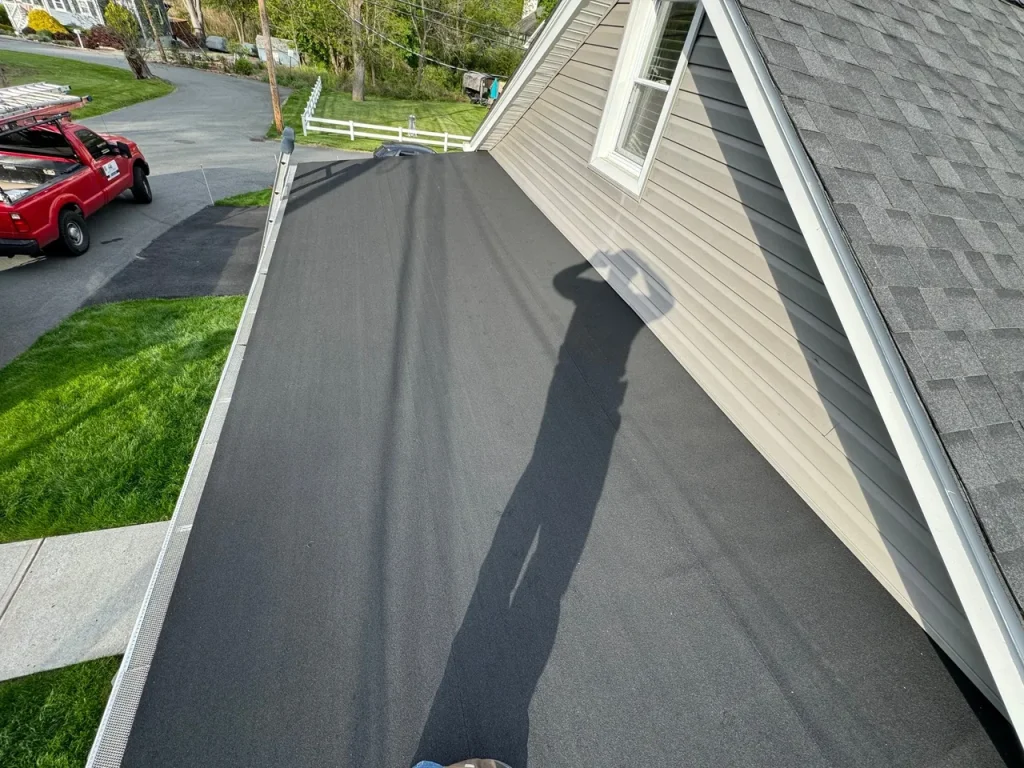
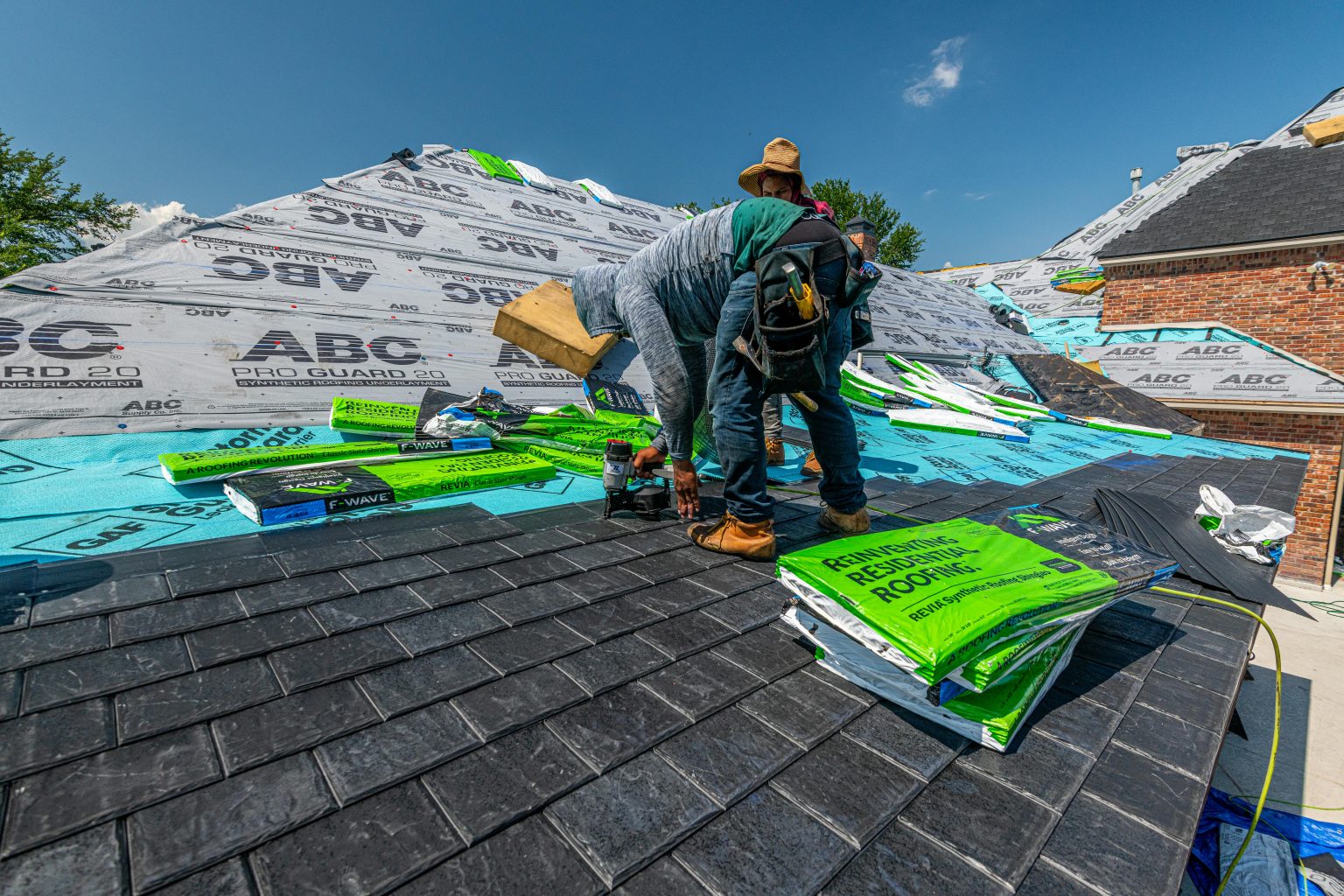
Roof work starts at the top of the house, but the disruption reaches much farther than most homeowners expect. A repair crew may never step into your living room, yet you can still end up with rattling picture frames, dusty attic insulation, blocked driveways, stressed pets, and a garden bed flattened by falling debris if the job is not planned well. Good preparation does not just protect your property. It also helps the crew work faster, lowers the chance of misunderstandings, and reduces the odds of an expensive surprise halfway through the project.
I have seen roof repairs go smoothly on modest bungalows and become chaotic on larger homes where nobody took the time to clear access, move vehicles, or think about what pounding and vibration can do inside the house. The difference usually comes down to simple steps taken a few days before the first shingle comes off. Most of them are not difficult. They just require a little foresight.
Start with the scope, not the ladder
Before you move patio furniture or warn the neighbors, make sure you understand what kind of roof repairs are actually happening. Homeowners often hear “repair” and assume a small patch, when the crew may be replacing sheathing around a leak, removing several squares of shingles, rebuilding flashing near a chimney, or working around skylights and gutters. The practical impact of each job is different.
A minor repair near one roof valley may still involve tear-off, nail guns, ladders, and a disposal trailer. If rotted decking is discovered after materials come off, that can add time, noise, and debris. On the other hand, a leak repair around flashing might be quick but require precise interior access to inspect the attic or ceiling stain before and after the work.
Ask your contractor where they will stage materials, which sides of the house they need access to, whether power outlets are needed, and what kind of debris protection they provide. If they are using a dump trailer rather than a large roll-off container, the driveway setup will differ. If they plan to protect landscaping with plywood, ask which plants are most at risk. Those details tell you what to prepare and where the pressure points will be.
This is also the moment to ask about timing in realistic terms. A contractor may say the repair is a one-day Roof Repairs job, but weather delays, hidden water damage, or matching older roofing materials can stretch that schedule. If your household includes remote workers, infants, elderly relatives, or anxious dogs, “one day of noise” versus “possibly three intermittent visits” matters.
Protect what is inside the house
Roof repairs create vibration. That part surprises people. The sound of footsteps overhead is obvious, but the repeated hammering and movement can travel through framing and shake walls enough to loosen lightly mounted décor. In older homes, even a controlled repair can make plaster dust appear along a ceiling seam. If your attic is unfinished, some small debris may sift down through gaps around light fixtures or attic hatches.
Walk through the top floor first, then the rooms directly below the work area. Look for mirrors, framed art, shelves with ceramics, wall-mounted televisions, and anything fragile sitting on high furniture. You do not need to empty the house, but you should remove or secure items that would be expensive or heartbreaking to replace. A vase inherited from a grandparent should not spend repair day balanced on a narrow mantle while a crew tears into the roof above.
If you have an attic, cover stored belongings with drop cloths or old sheets. Plastic works too, though cloth breathes better and is easier to drape over boxes. Homeowners who store holiday decorations, luggage, baby keepsakes, or archived documents in the attic often forget that old roofing dust and splinters can fall during tear-off. It is far easier to cover bins beforehand than to clean grime off everything later.
Pay special attention to ceilings where leaks have already occurred. Water-damaged drywall can be weaker than it looks. A repair overhead will not usually cause it to collapse, but if a ceiling bubble is pronounced or staining is severe, mention it before work begins so the contractor knows to tread carefully around that area and you can decide whether interior protection is needed below.
Make the outside work zone safer and easier to navigate
The repair crew needs space, and they need it without improvising around your belongings. That does not mean stripping the yard bare. It means creating a predictable work zone so ladders can be set safely, materials can move efficiently, and cleanup can be thorough.
Move cars out of the driveway and away from the house before the crew arrives. Even careful roofers drop old shingles, nails, flashing scraps, and granules. A truck parked too close can end up scratched, or worse, trapped behind equipment for half the day. If your contractor uses a dump trailer, they may back it in close to shorten carrying distance. Give them the room.
Patio sets, grills, potted plants, children’s toys, bicycles, and garden décor should be relocated from the perimeter of the house, especially beneath roof edges and valleys. I have seen homeowners carefully move one expensive teak table and forget six ceramic planters lined up beneath the eaves. Roof debris has a way of finding the one thing left in its path.
If you have delicate landscaping, mention it in advance rather than hoping the crew notices. Newly planted shrubs, climbing roses, and soft annual beds near access points are vulnerable. Experienced roofers can often work around them or set protection boards, but only if they know what matters to you. A mature hedge may shrug off the occasional scrape. A new hydrangea planted last weekend probably will not.
Outdoor power can help, but ask before assuming. Some crews bring generators. Others prefer a nearby outlet. If they need access to exterior receptacles, test them ahead of time. A dead GFCI outlet on repair morning creates unnecessary delays.
Think about children, pets, and anyone sensitive to noise
Roof repairs are loud in a very particular way. It is not constant white noise. It is sharp impact, dragging, sudden thumps, compressor starts, shouted communication, and footsteps directly overhead. For many households, that is the hardest part of the day.
Pets often struggle more than people expect. Dogs may bark for hours, claw at doors, or refuse to go into the yard while strangers work above them. Cats can disappear into hard-to-reach hiding spots. If your pet is anxious, arrange a quieter place for the day if possible, whether that means daycare, boarding, a family member’s house, or one closed room with white noise and familiar bedding. Waiting until the nail guns start is too late.
Children, especially toddlers and nap-aged kids, may also need a backup plan. If the repair is extensive, a long morning at the library, a grandparent’s home, or a playdate can save everyone stress. Parents working from home during roof repairs often discover that video calls become impossible once tear-off begins. Roof Repairs If your job depends on concentration or client meetings, treat the repair day like a planned outage and work elsewhere if you can.
Older adults, shift workers, and anyone prone to migraines or sensory overload should be considered as well. A few hours of preventive planning can spare a lot of frustration. The goal is not to make the day perfect. It is to avoid the predictable problems.
Prepare for access and communication
A good roofing crew moves quickly, but only if they can get where they need to go. Gates should be unlocked, side yards cleared, and any security barriers addressed in advance. If you have a locked fence, keypad garage, or camera-enabled side entrance, let the project lead know how access will work before the truck pulls up.
Some homes create hidden obstacles. Narrow side passages fill up with hoses, bins, stacked lumber, or air-conditioning lines. Basement walkout doors swing into ladder paths. Low-hanging tree limbs interfere with material loading. None of these issues are unusual, but they become costly if discovered in the middle of setup when the crew is already on the clock.
Communication matters just as much as physical access. Decide who the contractor should speak to if a problem appears. If you will be away, make sure one adult is reachable by phone and can make decisions quickly. Roof repairs sometimes uncover damaged decking, wet insulation, failed flashing, or old patchwork that needs approval before work can proceed. Missed calls can turn a same-day repair into a stop-start job that drags on.
It also helps to discuss bathroom access ahead of time. Some homeowners are comfortable offering a restroom, others are not. Either way, clarity avoids awkwardness. The same goes for water access. On hot days, crews appreciate a place to fill bottles, but many bring their own supplies. You do not have to host the job like a dinner party. You just need basic expectations established.
Check weather, but plan for uncertainty
Weather shapes every roof repair schedule, and not just obvious storms. High winds can make material handling unsafe. Extreme heat can soften shingles and exhaust workers faster. Cold mornings can affect seal strips and flexibility depending on the roofing material. Light rain that seems harmless from the kitchen window may still delay tear-off or exposed work.
A reputable contractor will monitor conditions, but homeowners should still prepare for schedule movement. If you plan to work off-site, arrange backup childcare, or move vehicles for access, build in some flexibility. Roof work often starts early to avoid afternoon heat and thunderstorms, especially in warmer months. If you are told the crew may arrive at 7:00 a.m., believe that they might arrive at 6:45.
If your repair addresses an active leak, ask what temporary protection is in place if weather changes. Tarps and underlayments can buy time, but they are not the same as a finished repair. Knowing the contingency plan reduces panic if the forecast shifts overnight.
A practical home-prep checklist
If you want a concise way to sanity-check the house before the crew arrives, focus on the few steps that prevent most avoidable problems:
- Move vehicles, grills, patio furniture, and potted plants away from the work zone.
- Remove or secure fragile wall hangings and shelf items, especially on the top floor.
- Cover attic storage and clear access points such as gates, driveways, and side yards.
- Make a plan for pets, children, and anyone who needs quiet during the workday.
- Confirm arrival time, access needs, payment expectations, and who approves change orders.
That short list handles the majority of day-one issues. Everything beyond it is refinement.
Do not ignore the attic and ventilation
Many homeowners think only of the visible roof surface, but attic conditions often determine how smooth the repair will be. If you can safely access the attic, take a quick look before work begins. You are not trying to diagnose the whole system. You are looking for obvious signs that matter to the crew and to the outcome of the repair: wet insulation, active drips, moldy sheathing, blocked vents, animal activity, or stored items packed tightly against soffit vents.
If the contractor is repairing a leak, showing them the attic evidence can be more useful than pointing to a brown ceiling ring downstairs. Water travels. A stain in a bedroom may originate several feet uphill on the roof plane, near flashing, or even around a vent boot. If you have noticed damp insulation or a recurring drip during wind-driven rain, mention those details. They help the roofer trace the source rather than just patch the symptom.
Ventilation also comes into play. Some Roof Repairs expose poor airflow that shortened the life of the shingles in the first place. Excess attic heat and moisture can cook roofing materials from below, especially in hot climates or tightly sealed homes. That does not mean every repair turns into a ventilation overhaul, but if the roofer raises the issue, it is worth hearing them out. Sometimes a small additional fix now prevents another repair later.
Understand what cleanup should look like
Homeowners often focus on the repair itself and forget to define the end of the job. Cleanup deserves attention before work starts. Ask how debris will be collected, whether magnetic sweeping for nails is included, and how they protect flower beds, AC units, decks, and walkways. Most professional crews have a standard cleanup routine, but standards vary.
Nails are the most common complaint after roof work, and for good reason. Even careful crews can miss a few in gravel, mulch, or thick grass. That matters if you have children who play barefoot, a dog that patrols the yard, or a car tire that will roll over the driveway later. A magnetic sweep is not optional in my view. It is basic practice. Still, confirm it.
If you have a pool, pond, outdoor kitchen, or recently refinished deck, point it out ahead of time. Roofing grit and small debris can damage finishes or create a tedious cleanup. A two-minute conversation before setup can save hours later.
Get the paperwork and practicalities in order
Preparation is not only physical. A few administrative details make the repair day far less stressful. Know how payment will be handled and when it is due. Review the estimate so you understand what is included and what may trigger extra charges, particularly decking replacement or hidden water damage. If your neighborhood has parking rules, HOA requirements, or limited street access, address those before the crew arrives.
For insurance-related Roof Repairs, keep claim information, photos, and adjuster notes easy to access. If supplemental damage is discovered, the contractor may need to document it quickly. Delays often happen because the homeowner has to dig through email while the roof sits partially opened. A simple folder, digital or printed, keeps the process moving.
It is also wise to take your own before photos of the driveway, landscaping, gutters, and exterior fixtures near the work area. This is not about assuming conflict. It is about having a clear baseline. Most jobs end without issue, but a timestamped set of photos makes any later discussion straightforward and factual.
The evening before the crew arrives
The smoothest repair mornings usually begin the night before, when the household does a final reset instead of scrambling at sunrise. A quick walkthrough can catch the small things that become annoying once trucks are in the driveway.
- Park vehicles on the street or in a neighbor-approved spot.
- Bring in lightweight yard items that could be in the way by morning.
- Charge your phone and keep the contractor’s contact information handy.
- Close attic access covers and set out any tarps or drop cloths you plan to use.
- Remind everyone in the home about the noise, parking, and pet plan.
That last step matters more than people think. Half of household stress on repair day comes from one person not knowing what is happening.
What homeowners often forget
There are a few oversights that come up again and again. Sprinkler systems are one. If your irrigation is scheduled for early morning, turn it off. Wet ground around ladders and power cords is not ideal, and soaked work areas become muddy fast. Satellite dishes and solar equipment are another. If a repair area is close to mounted hardware, clarify whether those components need to be removed or protected and who is responsible for that part of the work.
Window coverings can help too. If crews are working directly above bedrooms or home offices, closing blinds and curtains reduces the visual distraction of shadows and movement outside. It sounds minor, but it makes indoor spaces feel calmer.
Trash and recycling pickup can also interfere. If your collection day overlaps with the repair, move bins early so they do not block access or disappear behind trailers and materials. The same goes for package deliveries. If you are expecting something large, reschedule it if possible.
One more often-forgotten issue is power in upper rooms. Vibrations can sometimes trip old power strips or loosen finicky plugs, particularly where cords are already barely connected. If you have sensitive electronics or desktop setups under the repair area, shut them down properly before work begins.
A well-prepared home makes better repairs possible
The best roofers can work around some disorder. They have seen cluttered yards, anxious pets, and homeowners trying to hold meetings under a pounding roof. But there is a real difference between a crew forcing their way through obstacles and a crew being able to focus on the repair itself.
Preparing your home before Roof Repairs begin is partly about protection and partly about efficiency. When vehicles are moved, attic storage is covered, fragile items are taken down, and everyone knows the plan, the work tends to go faster and with fewer surprises. More importantly, you finish the day with a repaired roof and a household that has not been unnecessarily thrown into chaos.
That is the real goal. Not perfection, just a house ready for the work it needs.
Royalty Exteriors
151 NJ-10 Suite 103A
Succasunna, NJ 07876, United States
+1 973-333-7234
FAQ About Roof Repairs
Can you fix a roof leak without replacing the whole roof in Succasunna,NJ?
Often, a localized leak can be repaired without replacing the entire roof, depending on its cause and the condition of the surrounding materials. Damaged shingles, flashing, or a roof penetration may need targeted work. Royalty Exteriors offers roof repairs for leaks, storm damage, and shingle issues. An inspection is needed to determine the appropriate scope.
What is considered a minor roof leak?
A leak may be considered minor when the damage is limited to a small area and the surrounding roofing remains sound. A small ceiling stain alone does not establish the extent of the problem because water can travel before becoming visible. Have the source and any concealed damage assessed promptly.
Is it better to repair or replace a leaky roof?
The decision depends on the roof's age, overall condition, leak source, extent of damage, and history of previous repairs. A localized problem on an otherwise serviceable roof may be suitable for repair. Widespread deterioration or recurring leaks may justify considering replacement. Ask for an inspection and a written explanation of the recommended work before deciding.